Buy click-care.eu ?
We are moving the project
click-care.eu .
Are you interested in purchasing the domain
click-care.eu ?
domain@kv-gmbh.de · 0541-91531010
Buy click-care.eu ?
Does the tablet or the stylus need to have a palm rejection sensor?
Yes, both the tablet and the stylus need to have a palm rejection sensor for a seamless and natural writing or drawing experience. The palm rejection sensor allows the tablet to distinguish between intentional stylus input and unintentional touch from the user's palm or fingers, preventing accidental marks or gestures. This feature is especially important for digital artists and note-takers who rely on precise and accurate input without interference from their resting hand. **
Does the tablet or the pen need to have a palm rejection sensor?
The tablet needs to have a palm rejection sensor. This sensor is important as it helps prevent accidental touch inputs from your hand or palm while using the pen on the tablet. This feature ensures a more accurate and seamless drawing or writing experience by only registering input from the pen and ignoring any other contact on the screen. **


Similar search terms for Palm rejection
Top-Angebote
Products related to Palm rejection:
-
Palm - Palm Pals Yuzu Lemon Soft Toy - Bright Yellow - 13 cm - NewbornHand-sized bean-filled plush designed for newborns. Bright yellow lemon shape with soft plush finish. Filled with recycled plastic beans and inner fibre for gentle heft. Suitable from birth for everyday cuddles and imaginative play. Part of Aurora's Palm Pals Collection. Recyclable packaging and labels.6,39 £*Shipping: 3,95 £Secure redirect to the provider
-
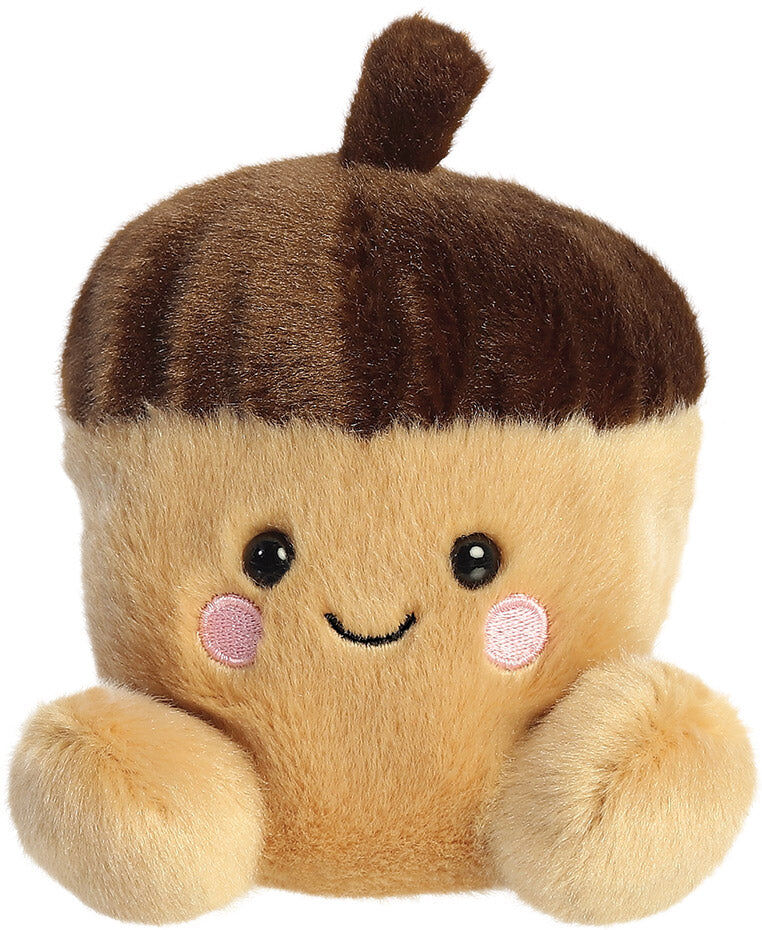
Aurora Palm Pals Oak Acorn Plush Soft Toy - Golden-brown - 5in Palm-sizedOak Acorn is a cuddly character from the Palm Pals collection by Aurora. It features a soft golden-brown body, dark chocolate-brown cap, friendly smile, rosy cheeks, and bean-filled design. Made with recycled plastic bean filling and embroidered details.6,29 £*Shipping: 3,95 £Secure redirect to the provider


-
How does the palm rejection work on the Apple Pencil in GoodNotes 5?
The palm rejection feature on the Apple Pencil in GoodNotes 5 works by detecting the difference between the touch of the pencil tip and the touch of the user's palm or fingers. When the Apple Pencil tip is in contact with the screen, the app ignores any input from the user's palm or fingers, allowing for a seamless writing or drawing experience without accidental marks from palm or finger touches. This feature helps users to focus on their writing or drawing without having to worry about unintended marks or smudges on the digital paper. **
-
How harmful is palm oil for health?
Palm oil is high in saturated fats, which can increase levels of bad cholesterol in the body and contribute to heart disease. Consuming too much palm oil can also lead to weight gain and obesity. Additionally, the processing of palm oil can create harmful byproducts that may be carcinogenic. It is important to consume palm oil in moderation and opt for healthier alternatives whenever possible. **
-
How harmful is palm oil to health?
Palm oil itself is not harmful to health when consumed in moderation as part of a balanced diet. However, the issue arises when palm oil is heavily processed and used in many packaged and processed foods, which can contribute to an unhealthy diet high in saturated fats. Consuming too much saturated fat, including that from palm oil, can increase the risk of heart disease and other health problems. It is important to be mindful of the sources of palm oil in your diet and to consume it in moderation. **
-
How do I care for a palm tree?
Caring for a palm tree involves providing the right growing conditions, regular watering, fertilizing, and pruning. Here are some general tips for caring for a palm tree: 1. Light: Most palm trees prefer bright, indirect sunlight. Make sure your palm tree receives enough light to thrive. 2. Watering: Palm trees require regular watering, especially during the growing season. Water your palm tree when the top inch of soil feels dry. Avoid overwatering, as this can lead to root rot. 3. Fertilizing: Use a balanced fertilizer formulated for palm trees to provide essential nutrients. Fertilize your palm tree during the growing season, following the instructions on the fertilizer package. 4. Pruning: Remove dead or damaged fronds from your palm tree to promote healthy growth. Be careful not to remove too many fronds at once, as this can stress the tree. 5. Pest control: Keep an eye out for common pests that can affect palm trees, such as spider mites, mealybugs, and palm aphids. Treat any infestations promptly to prevent damage to your palm tree. By providing the right care and attention, you can help your palm tree thrive and grow beautifully. **


How do I care for my fan palm?
To care for your fan palm, you should follow these guidelines: 1. Light: Fan palms prefer bright, indirect light. Place your plant near a window where it can receive plenty of sunlight, but avoid direct sunlight which can scorch the leaves. 2. Watering: Keep the soil consistently moist but not waterlogged. Water your fan palm when the top inch of soil feels dry. Make sure to allow excess water to drain out of the pot to prevent root rot. 3. Humidity: Fan palms prefer high humidity levels. To increase humidity, you can mist the leaves regularly or place a humidifier near the plant. 4. Temperature: Fan palms thrive in temperatures between 65-80°F (18-27°C). Avoid exposing the plant to temperatures below 50°F (10°C) as it can damage the leaves. 5. Fertilizing: Feed your fan palm with a balanced liquid fertilizer every 2-4 weeks during the growing season (spring and summer). Reduce fertilization in the fall and winter. 6. Pruning: Remove any yellow or brown leaves by cutting them off at the base of the stem. This will help maintain the health and appearance of the plant. 7. Repotting: Fan palms prefer slightly root-bound conditions, so you only need to repot your plant every 2-3 years or when it outgrows its current pot. By following these care tips, you can help your fan palm thrive and grow beautifully in your home. **
How do I care for a Kentia palm?
To care for a Kentia palm, you should: 1. Light: Kentia palms prefer bright, indirect light. Avoid direct sunlight as it can scorch the leaves. 2. Watering: Water your Kentia palm when the top inch of soil feels dry. Water thoroughly, allowing excess water to drain out of the pot. Avoid overwatering as it can lead to root rot. 3. Humidity: Kentia palms prefer high humidity levels. You can increase humidity by misting the leaves regularly or placing a humidifier nearby. 4. Temperature: Kentia palms prefer temperatures between 65-80°F (18-27°C). Protect them from drafts and sudden temperature changes. 5. Fertilizing: Fertilize your Kentia palm every 2-3 months during the growing season (spring and summer) with a balanced fertilizer diluted to half strength. 6. Pruning: Remove any yellow or brown leaves by cutting them off at the base of the plant. Trim any dead or damaged fronds to maintain the plant's appearance. 7. Repotting: Repot your Kentia palm every 2-3 years or when it outgrows its current pot. Use a well-draining potting mix and a container with drainage holes. By following these care tips, you can help your Kentia palm thrive and grow into a healthy and beautiful plant. **
Top-Angebote
Products related to Palm rejection:
-
BALANBO 8FT Artificial Golden Cane Palm Tree, Fake Palm TreeThis 8 feet majestic tropical palm faux tree has 35 large vivid palm fronds filled with countless arching feather-like leaves with realistic palm texture, four thick trunks are awe-inspiring, it looks so lush and great, it will create a tropical…129,99 $*Shipping: 0,00 $Secure redirect to the provider
-
Happy Pet Pantry Probiotic Gut Health Soft Granules For Dogs Digestive Support & Nutrient Absorption Care Probiotic Gut Health Soft Granules For Dogs Digestive Support & Nutrient Absorption CareA happy tummy means a happier, more energetic dog. These dog probiotics soft granules are specially formulated to support digestive wellness, improve nutrient uptake, and help maintain a healthy balance of gut bacteria. Ideal for dogs of all breeds...41,97 $*Shipping: 0,00 $Secure redirect to the provider
-
Palm - Palm Pals Yuzu Lemon Soft Toy - Bright Yellow - 13 cm - NewbornHand-sized bean-filled plush designed for newborns. Bright yellow lemon shape with soft plush finish. Filled with recycled plastic beans and inner fibre for gentle heft. Suitable from birth for everyday cuddles and imaginative play. Part of Aurora's Palm Pals Collection. Recyclable packaging and labels.6,39 £*Shipping: 3,95 £Secure redirect to the provider
-
Does the tablet or the stylus need to have a palm rejection sensor?
Yes, both the tablet and the stylus need to have a palm rejection sensor for a seamless and natural writing or drawing experience. The palm rejection sensor allows the tablet to distinguish between intentional stylus input and unintentional touch from the user's palm or fingers, preventing accidental marks or gestures. This feature is especially important for digital artists and note-takers who rely on precise and accurate input without interference from their resting hand. **
-
Does the tablet or the pen need to have a palm rejection sensor?
The tablet needs to have a palm rejection sensor. This sensor is important as it helps prevent accidental touch inputs from your hand or palm while using the pen on the tablet. This feature ensures a more accurate and seamless drawing or writing experience by only registering input from the pen and ignoring any other contact on the screen. **
-
How does the palm rejection work on the Apple Pencil in GoodNotes 5?
The palm rejection feature on the Apple Pencil in GoodNotes 5 works by detecting the difference between the touch of the pencil tip and the touch of the user's palm or fingers. When the Apple Pencil tip is in contact with the screen, the app ignores any input from the user's palm or fingers, allowing for a seamless writing or drawing experience without accidental marks from palm or finger touches. This feature helps users to focus on their writing or drawing without having to worry about unintended marks or smudges on the digital paper. **
-
How harmful is palm oil for health?
Palm oil is high in saturated fats, which can increase levels of bad cholesterol in the body and contribute to heart disease. Consuming too much palm oil can also lead to weight gain and obesity. Additionally, the processing of palm oil can create harmful byproducts that may be carcinogenic. It is important to consume palm oil in moderation and opt for healthier alternatives whenever possible. **
Similar search terms for Palm rejection
-
Aurora Palm Pals Oak Acorn Plush Soft Toy - Golden-brown - 5in Palm-sizedOak Acorn is a cuddly character from the Palm Pals collection by Aurora. It features a soft golden-brown body, dark chocolate-brown cap, friendly smile, rosy cheeks, and bean-filled design. Made with recycled plastic bean filling and embroidered details.6,29 £*Shipping: 3,95 £Secure redirect to the provider
-
Inspire Select 2025 ECG Health Smart Watch AMOLED Bluetooth Call Fitness Tracker With NFC & Wellness Monitoring blue iatrology Care GradeStay connected while tracking your daily wellness with this advanced ECG smart watch designed for fitness, lifestyle monitoring, and smart convenience. Featuring a stunning AMOLED smartwatch display, Bluetooth calling, NFC support, and intelligent...192,97 $*Shipping: 0,00 $Secure redirect to the provider
-
How harmful is palm oil to health?
Palm oil itself is not harmful to health when consumed in moderation as part of a balanced diet. However, the issue arises when palm oil is heavily processed and used in many packaged and processed foods, which can contribute to an unhealthy diet high in saturated fats. Consuming too much saturated fat, including that from palm oil, can increase the risk of heart disease and other health problems. It is important to be mindful of the sources of palm oil in your diet and to consume it in moderation. **
-
How do I care for a palm tree?
Caring for a palm tree involves providing the right growing conditions, regular watering, fertilizing, and pruning. Here are some general tips for caring for a palm tree: 1. Light: Most palm trees prefer bright, indirect sunlight. Make sure your palm tree receives enough light to thrive. 2. Watering: Palm trees require regular watering, especially during the growing season. Water your palm tree when the top inch of soil feels dry. Avoid overwatering, as this can lead to root rot. 3. Fertilizing: Use a balanced fertilizer formulated for palm trees to provide essential nutrients. Fertilize your palm tree during the growing season, following the instructions on the fertilizer package. 4. Pruning: Remove dead or damaged fronds from your palm tree to promote healthy growth. Be careful not to remove too many fronds at once, as this can stress the tree. 5. Pest control: Keep an eye out for common pests that can affect palm trees, such as spider mites, mealybugs, and palm aphids. Treat any infestations promptly to prevent damage to your palm tree. By providing the right care and attention, you can help your palm tree thrive and grow beautifully. **
-
How do I care for my fan palm?
To care for your fan palm, you should follow these guidelines: 1. Light: Fan palms prefer bright, indirect light. Place your plant near a window where it can receive plenty of sunlight, but avoid direct sunlight which can scorch the leaves. 2. Watering: Keep the soil consistently moist but not waterlogged. Water your fan palm when the top inch of soil feels dry. Make sure to allow excess water to drain out of the pot to prevent root rot. 3. Humidity: Fan palms prefer high humidity levels. To increase humidity, you can mist the leaves regularly or place a humidifier near the plant. 4. Temperature: Fan palms thrive in temperatures between 65-80°F (18-27°C). Avoid exposing the plant to temperatures below 50°F (10°C) as it can damage the leaves. 5. Fertilizing: Feed your fan palm with a balanced liquid fertilizer every 2-4 weeks during the growing season (spring and summer). Reduce fertilization in the fall and winter. 6. Pruning: Remove any yellow or brown leaves by cutting them off at the base of the stem. This will help maintain the health and appearance of the plant. 7. Repotting: Fan palms prefer slightly root-bound conditions, so you only need to repot your plant every 2-3 years or when it outgrows its current pot. By following these care tips, you can help your fan palm thrive and grow beautifully in your home. **
-
How do I care for a Kentia palm?
To care for a Kentia palm, you should: 1. Light: Kentia palms prefer bright, indirect light. Avoid direct sunlight as it can scorch the leaves. 2. Watering: Water your Kentia palm when the top inch of soil feels dry. Water thoroughly, allowing excess water to drain out of the pot. Avoid overwatering as it can lead to root rot. 3. Humidity: Kentia palms prefer high humidity levels. You can increase humidity by misting the leaves regularly or placing a humidifier nearby. 4. Temperature: Kentia palms prefer temperatures between 65-80°F (18-27°C). Protect them from drafts and sudden temperature changes. 5. Fertilizing: Fertilize your Kentia palm every 2-3 months during the growing season (spring and summer) with a balanced fertilizer diluted to half strength. 6. Pruning: Remove any yellow or brown leaves by cutting them off at the base of the plant. Trim any dead or damaged fronds to maintain the plant's appearance. 7. Repotting: Repot your Kentia palm every 2-3 years or when it outgrows its current pot. Use a well-draining potting mix and a container with drainage holes. By following these care tips, you can help your Kentia palm thrive and grow into a healthy and beautiful plant. **
* All prices are inclusive of VAT and, if applicable, plus shipping costs. The offer information is based on the details provided by the respective shop and is updated through automated processes. Real-time updates do not occur, so deviations can occur in individual cases. ** Note: Parts of this content were created by AI.